Author: Alina Khoma
CEO of bavka, Montessori educator
Expecting a miracle is a time filled with tender anticipation. However, alongside the joy, a hidden anxiety often creeps into the minds of future parents: "Will our home turn into one giant playroom or a playground once the baby arrives?". This question especially concerns those who adore minimalism in interior design, value hygge-style coziness, or have invested a lot of effort into creating a stylish, designer space.
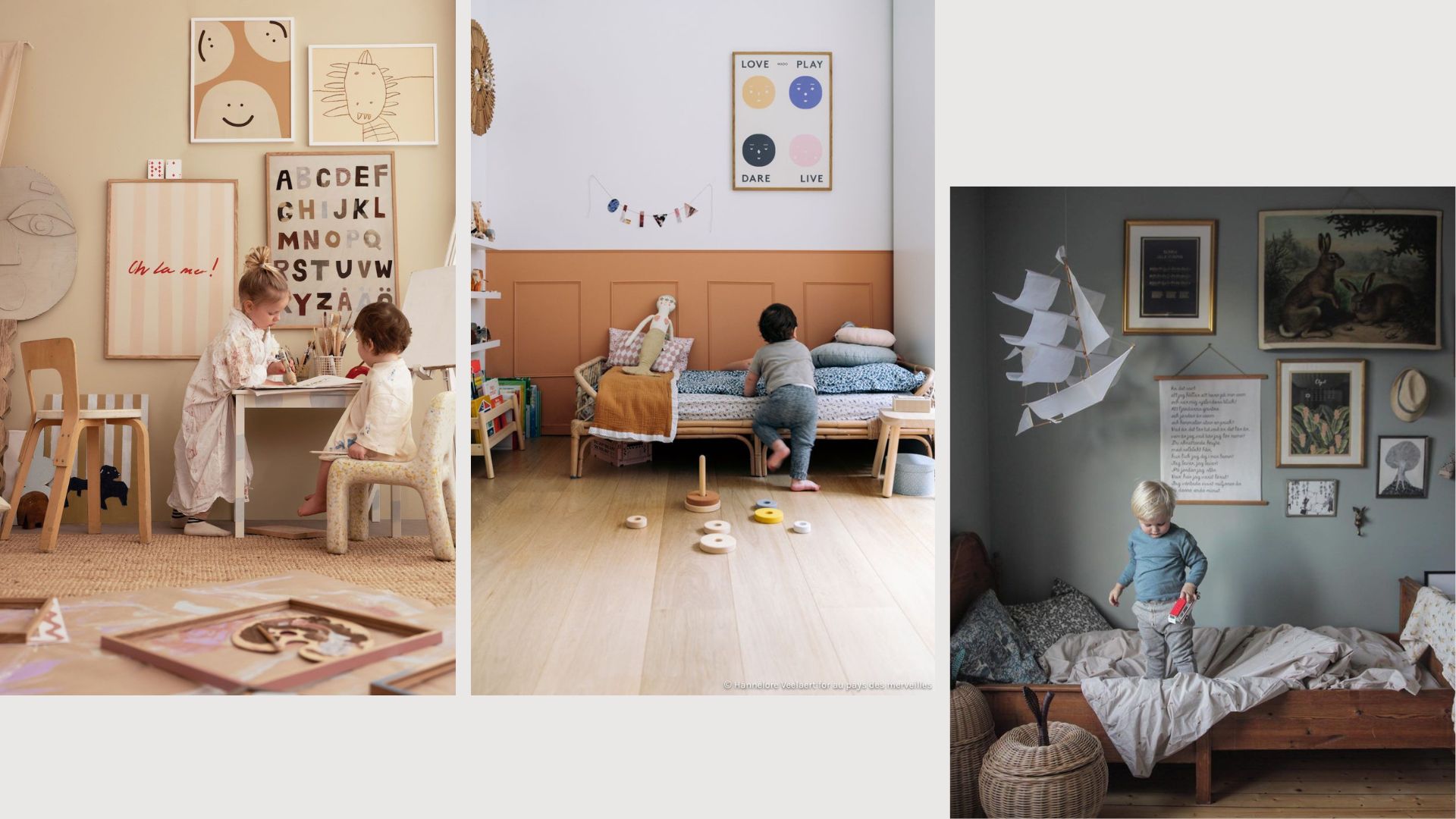
When you start choosing products for children, it often feels like the market exclusively offers flashy, eye-straining options. A dread sets in that your calm home is about to turn into a local branch of a noisy toy store. However, Maria Montessori’s philosophy and the modern perspective on child development prove that aesthetic design and functionality for a toddler are not just compatible—they are an extension of each other. True ergonomics of a child's space can perfectly blend with visual harmony for adults.
.jpg)
Order as an Internal Map and the Foundation of Calm
The main appeal of a prepared Montessori environment lies in its cleanliness, simplicity, and clear order, where every object has its permanent place. For adults, order in a room is a matter of comfort, but for a young child from birth to three years old, it is a vital necessity.
A toddler possesses a unique state of mind—the absorbent mind. They unconsciously absorb everything around them, shaping the structure of their own thinking from elements of their environment. In addition, at an early age, a child goes through a sensitive period for order. External order serves as a reliable orientation map for them in a vast world.
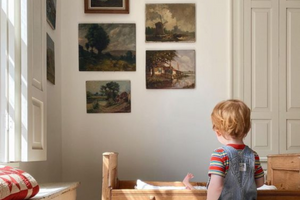
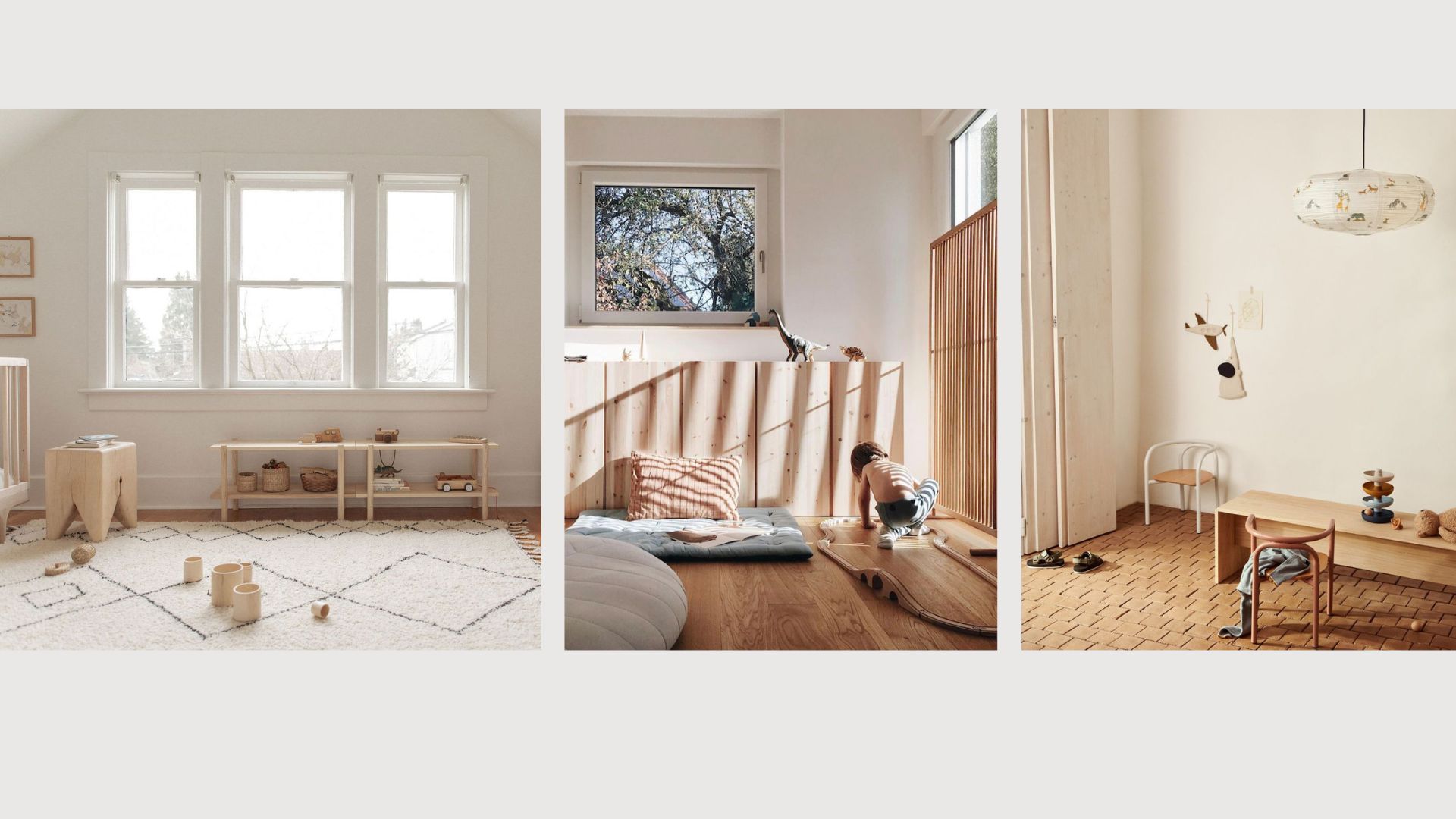
Over-saturation with bright colors, clashing shades of walls, rugs, or bedding, as well as an abundance of chaotically scattered items overstimulate and excite the baby's nervous system. Conversely, a minimalist space in calm, natural tones has a soothing effect, helping the child feel safe and focus on their activities.
.jpg)
Furniture and Materials: Durability and Functionality
Creating a stylish Montessori space at home requires some effort and time spent searching, but the result justifies every minute. Drawing from the experience of our project bavka, we recommend following a few simple rules when selecting interior elements.
.jpg)
To ensure the child's space fosters independence while remaining pleasing to the adult eye, pay close attention to the organization of these key elements:
-
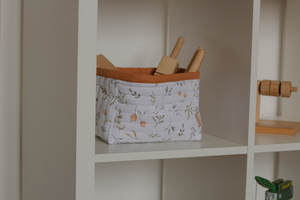
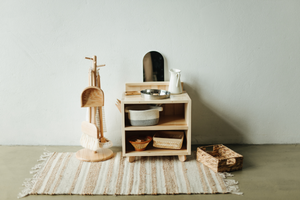
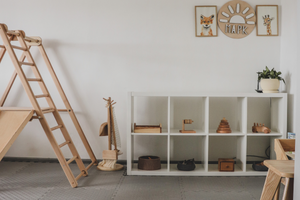
Storage and Furniture: Neutral or natural-toned dressers or changing tables are perfect for storing the baby's things. At the same time, using colorful or accent furniture is absolutely fine and can look very stylish, as long as the overall color integrity of the space is maintained. The main thing is to choose simple, clean shapes and avoid temporary children's drawings, stickers, or animal engravings on the facades. Such furniture remains relevant for a very short period, whereas minimalist models will serve the family much longer.
-
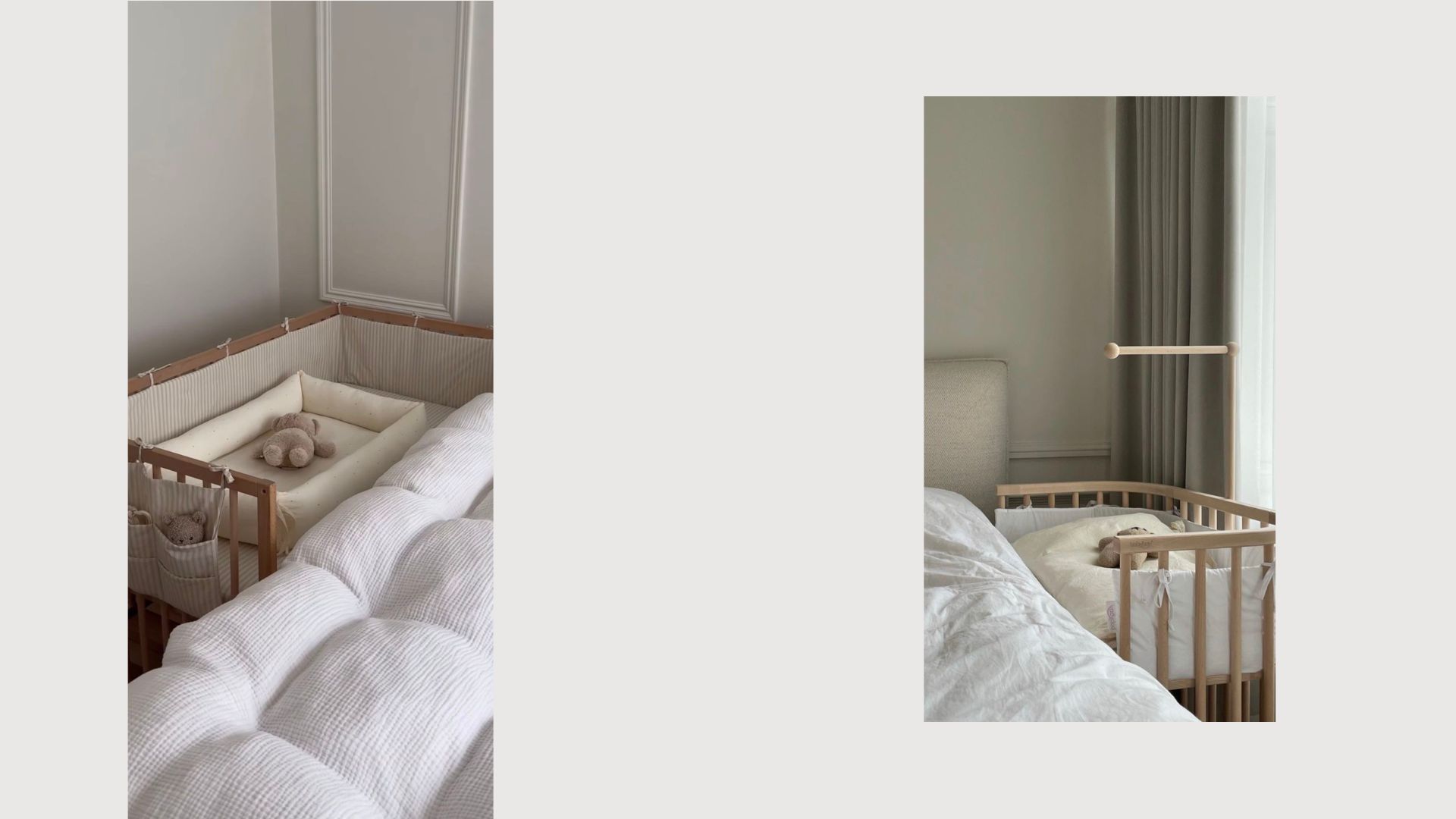
Activity Zone: Natural materials and calm colors easily fit into any modern design. A simple wooden baby gym with understated hanging toys perfectly trains an infant's hand-eye coordination. Modern evidence confirms that a baby does not need expensive plastic gadgets that flash lights and make loud noises. Large electronic swings or walkers not only clutter the room but also frequently restrict the child's natural movements, hindering muscle and balance development.
-
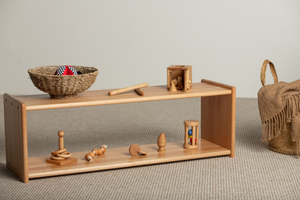
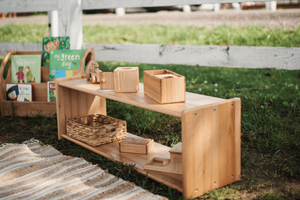
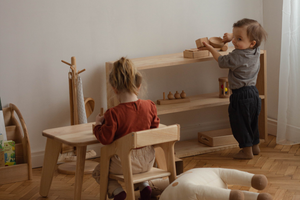
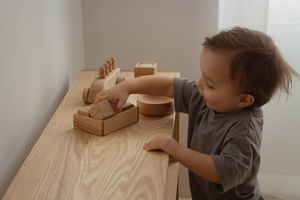
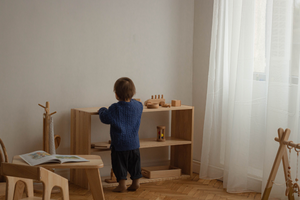
Toy Organization on Shelves: An over-saturation of toys lying disorganized in large baskets hinders concentration. Instead, use low, open shelves. Keep only 4–5 high-quality materials accessible to the child at a time. When every object has its own clear spot on the shelf, a two-year-old will gladly return it there themselves once they are finished playing.
-
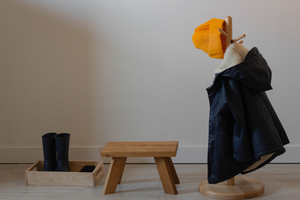
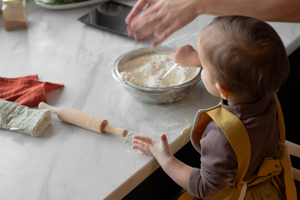
Child-Sized Furniture: As soon as a toddler starts walking, their hands become a tool for developing intelligence. A low table, chair, or self-care corner proportioned to the child's height grants them functional independence. The ability to independently reach their clothes, pour water from a small pitcher, or clean up after themselves builds self-esteem and self-confidence.
.jpg)
.jpg)
The Room's Color Microclimate
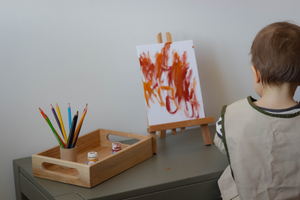
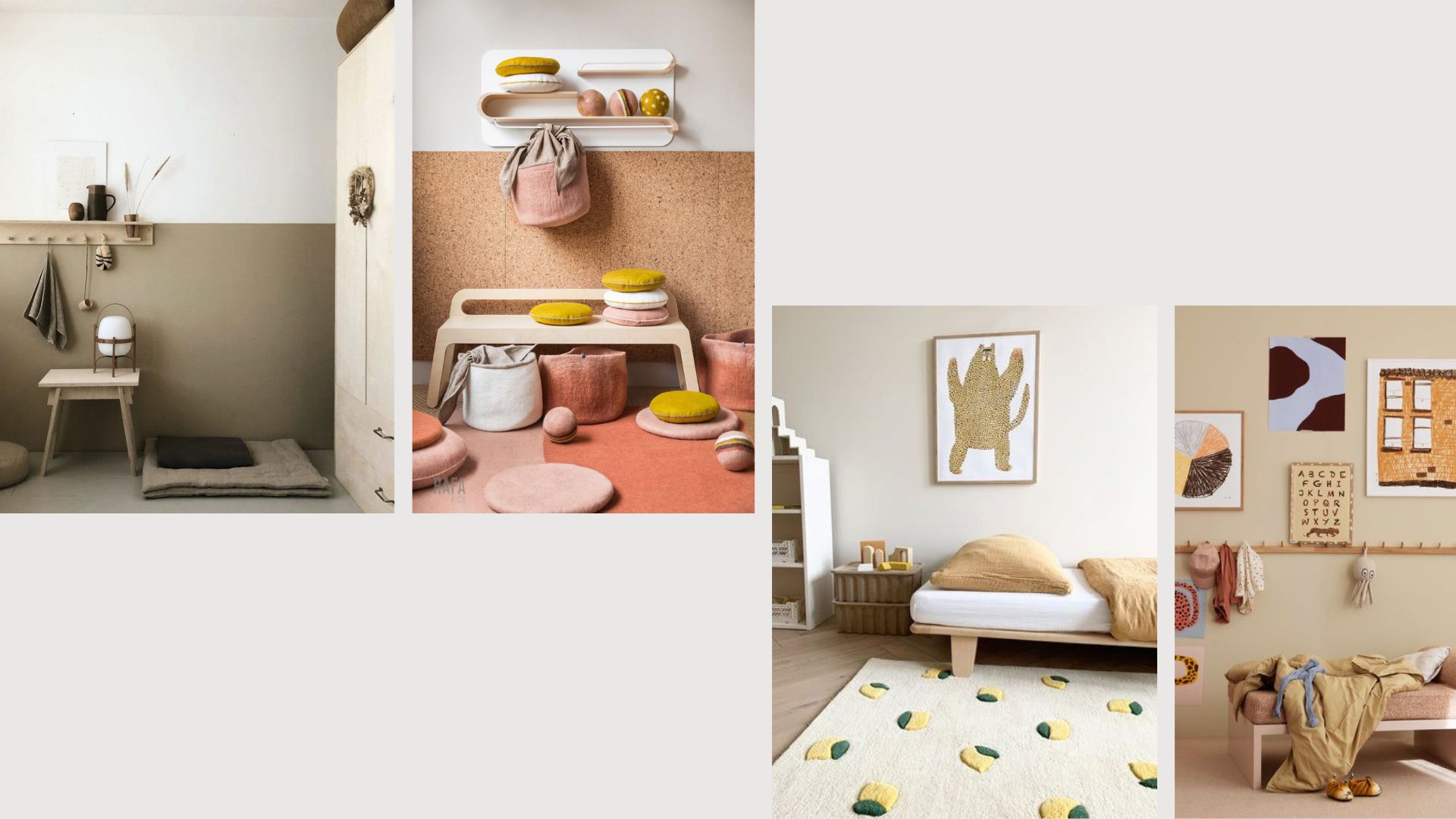
The color of the walls, rugs, and even bedding directly affects the baby's emotional state. Pastel, deep, or natural shades are soothing, helping the child relax. In contrast, an excessive number of chaotic bright spots and wall stickers overloads the child's nervous system and interferes with concentration.
The Golden Rule of Harmony: Comfort for the Whole Family
We are convinced that a space should not be created at the expense of parental exhaustion or the complete abandonment of one's own aesthetic taste. Every member of the family should feel comfortable at home. If parents categorically dislike an interior element but buy it solely because they think it is good for the child, it creates unnecessary tension. A baby will thrive best where their parents feel good.
Choose quality over quantity. Minimalist, well-crafted items made of natural materials will bring aesthetic and practical joy to all family members, support the child's natural needs, and preserve the visual tranquility of your home.
A Practical Step for Today
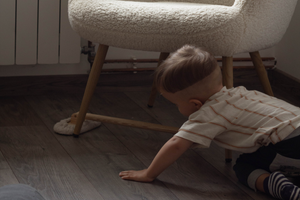
Get down on your knees or sit on the floor in the area where your little one plays most often. Look at the space from their eye level. Take note:
-
Is it easy for the child to reach their favorite toy independently?
-
Is there a visual chaos of things they aren't currently using?
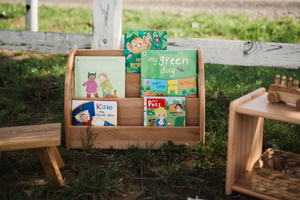
Try putting everything extra away into a closed cabinet, leaving only 4–5 items on a low shelf, facing forward (with their covers or front sides facing outward). Observe your child's reaction over the next few days.
.jpg)
External order in the environment directly helps the child form internal order within their mind and thinking. When there is no chaos around, the baby's brain doesn't waste energy on anxiety and processing unnecessary stimuli; instead, it focuses on deep concentration, exploration, and the development of executive functions.
.jpg)
.jpg)
.jpg)
.jpg)
.jpg)
.jpg)
.jpg)