Maria Montessori asserted that during early childhood, children pass through distinct developmental phases known as "sensitive periods". During these windows, a child is uniquely receptive to acquiring specific skills. One of the most critical of these phases is the sensitive period for order.
-
Peak Activity: Most intense from around 6 months to 3 years old, and can last up to age 5 depending on the child.
-
Target Age: 0–3 years.
A child's inner nature simply cannot tolerate chaos:
-
In the environment: A need for order in the home.
-
In time: A need to follow a consistent daily routine.
-
In relationships: Adult expectations that are always clear, understandable, and consistent.
Consequences of Ignoring This Period:
-
Carelessness and neglect
-
Untidiness and messiness
-
Lack of an "internal clock"
-
Irresponsibility
During this period, a child constructs their mental blueprint of the world. Order is a vital component of any environment because children unlock their personality through routine. It gives them a reference point and the ability to predict events, which ultimately provides a profound sense of security.
External order breeds internal order.
This is especially critical for a young child as they learn to adapt to time, place, and culture. Chaos and disorder are often perceived by them as obstacles to development and can easily become a source of unstable behavior.
.png)
Preparing Your Home for a Child
Preparing your home for a child is very much like preparing for the arrival of an important guest. This guest, however, will be staying with you a bit longer, and their evolving needs will require adjustments to your living space.
Our blog already features many posts on home organization. You can also purchase our guide to get the most essential tips in a concise, highly structured format and easily implement them in your home.
The Power of Zoning
Zoning is incredibly important in a child's space. Ideally, your child should have their own dedicated zone in every room:
-
Play zone
-
Self-care zone
-
Movement zone
-
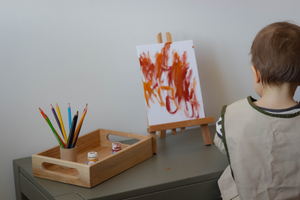
Creative zone
-
Concentration zone
-
Sleeping and eating zones
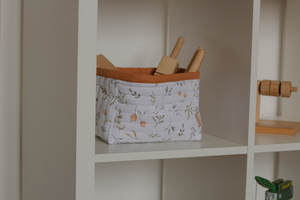
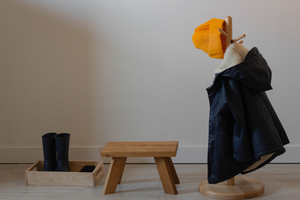
In many Montessori spaces, it is customary to place all necessary materials within open reach to foster independence and confidence.
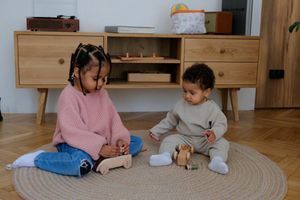
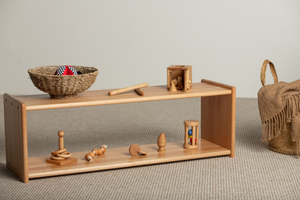
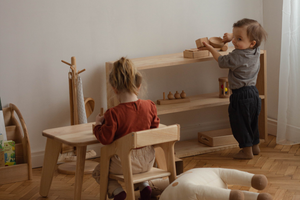
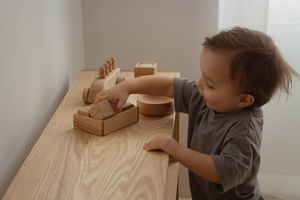
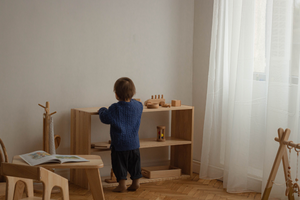
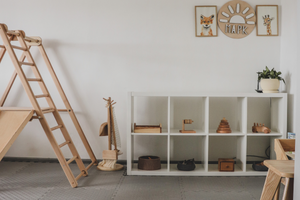
For instance, the largest shelving unit in the house is typically chosen for the play zone. It displays the most relevant, age-appropriate toys for the child's current stage, while other toys are stored separately and rotated.
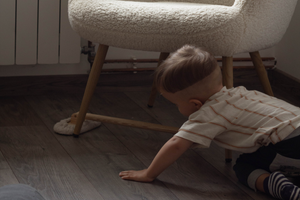
For infants under one year old, a low shelf is highly recommended. This ensures they have full access to their materials while providing stable physical support to help them pull themselves up to stand.
Key Zones in a Montessori Home
.png)
.png)
-
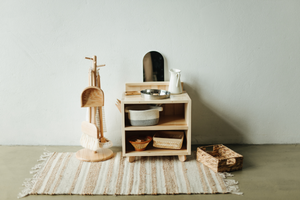
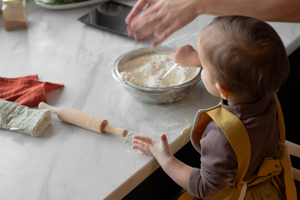
The Eating Zone or Kitchen: You've likely seen various examples of hacked play kitchens repurposed for a child's practical, real-world use. Here is what you can set up at home to let your child independently prepare food.
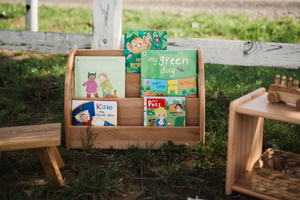
In Montessori classrooms, shelves are an integral part of the space and room zoning. They give children physical support and a clear understanding of what activity or behavior is expected of them in each area. This structure helps them stay independent, organized, and confident in their own abilities.