Author: Alina Khoma
CEO of bavka, Montessori educator
The Beginning of School Life is a massive transition for the entire family. At around 6 years of age, a child enters a new stage of development. According to the Montessori method, the period of the "absorbent mind" concludes, and it is replaced by the "reasoning mind". The child begins to actively explore society, seek their place within a group, and form a moral compass.
Adapting to these new conditions, new rules, and a new collective takes up a tremendous amount of mental and physical energy. That is why the main task for parents during this period is not to add even more pressure, but to create a reliable, calm home base.
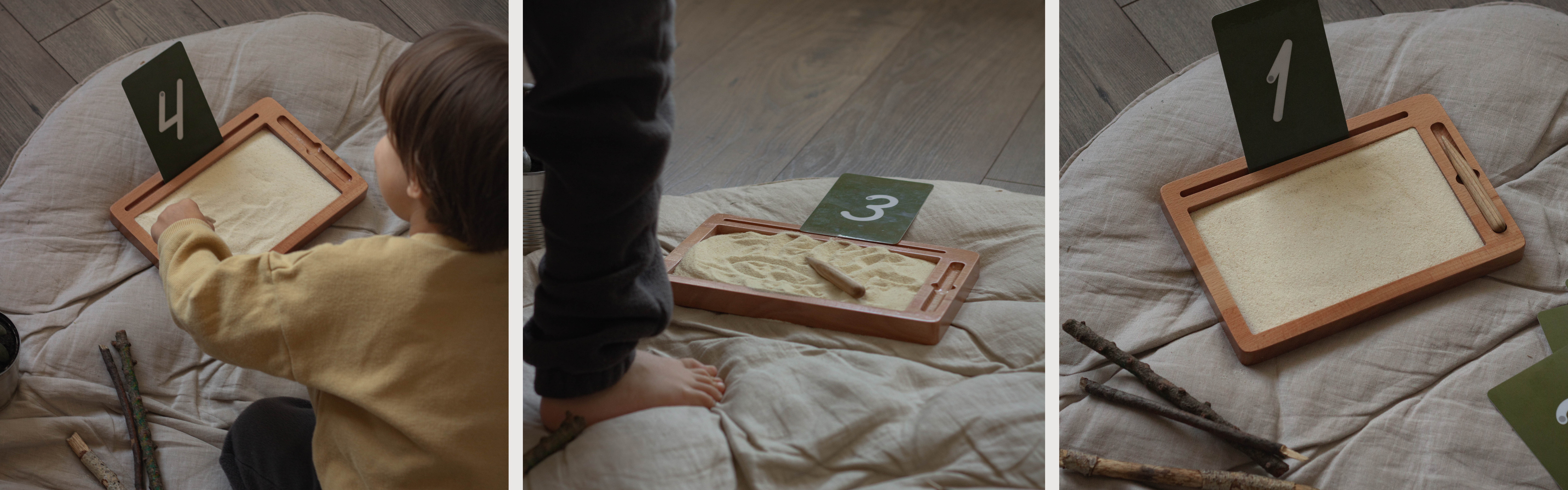
How the Child's Needs Change:
| Characteristic | The Absorbent Mind (0–6 years) | The Reasoning Mind (6–12 years) |
| Way of Learning | Unconscious, effortless absorption through the senses. | Conscious exploration through intellect, logic, and imagination. |
| Main Question | "What is this?" (seeking facts and names). | "Why?" and "How?" (seeking causes and connections). |
| Drive for Independence | Physical independence: "Help me do it myself." | Intellectual independence: "Help me think for myself." |
| Social Focus | Family, independent play, or parallel play. | Peers, the group, cooperative games with rules. |
| Perception of Rules | Need for external physical order and routine. | Exploration of morality: what is fair and what is not. Internal moral compass. |
The "Perfect Schedule" Trap: Why Less is More
Often, we strive to give a child "everything all at once," enrolling a first-grader in English, mental arithmetic, drawing, and sports simultaneously. It seems like this way we won't lose any time. However, an overloaded schedule suppresses the child's will, turning their life into a mechanical fulfillment of adult demands.
When my daughter went into first grade, we consciously and drastically minimized all extracurricular activities. Of all the clubs, we kept only dance. We understood that after hours of sitting at a desk, a child critically needs movement. Maria Montessori emphasized that movement and learning are an indivisible whole, and it is through movement that a child restores their psychological balance. Her entire first year consisted only of school, and at home, we nurtured free activity and play.
.jpg)
In second grade, my daughter herself asked for drawing lessons. We saw her interest in this activity and decided that one lesson a week wouldn't be too much trouble. Also on Saturdays, once a week, piano appeared (30 minutes of music literacy) — as a calming activity for the soul.
This year she is going into third grade. I am consciously not planning anything grandiose for the first months of autumn to give her time to get back into the school rhythm. But my main principle for building a schedule right now is: there should be only one extracurricular activity per day.
Her schedule will look like this:
-
1 time a week — English
-
1 time a week — Reading
-
1 time a week — Drawing
-
3 times a week — Dance
If she shows desire and interest, we will add 1 piano lesson. Or, we will drop one of the clubs if it gets to be too much. The rest of the time is for school homework and mandatory free time.
.jpg)
The Importance of "Doing Nothing" and Home Routine
Free time after school is not wasted time. When a child comes home and just plays, builds something out of blocks, or even lies on the rug — they are processing the social and intellectual experience gained during the day. The absence of adult instructions in these moments allows the child to restore their internal will and self-regulation.
How we maintain this balance at home:
-
External order = internal order. The schoolgirl's workspace is organized so that everything she needs is at hand. Order in the physical space gives a child who is tired of school chaos a deep sense of security.
-
Homework without hyper-parenting. Our goal is functional and intellectual independence ("I think for myself"). I do not do her homework for her, but I am always nearby to help organize the process or explain what is unclear.
-
Protecting free time. In our schedule, there is always a window where the child doesn't need to rush anywhere.
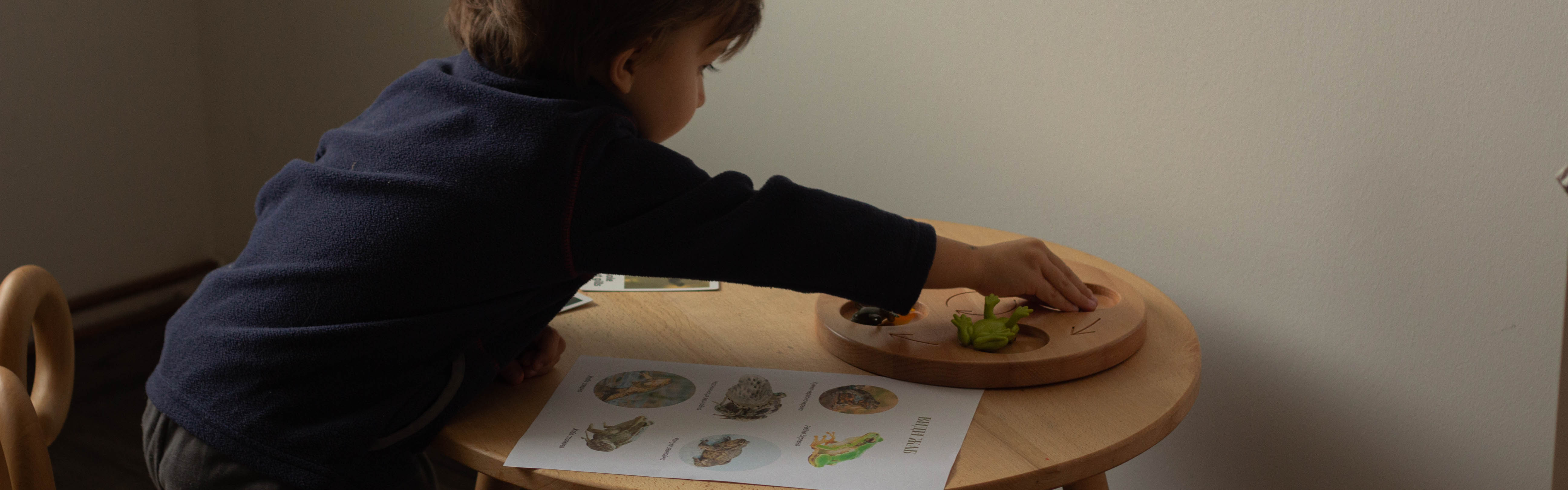
What Should You Ask the Teacher During Adaptation?
Instead of the standard "How did she study today?", focus on the social and emotional aspects of adaptation. Ask the teacher the following questions:
-
How does my child interact with peers during breaks?
-
Does she know how to assert her boundaries or ask for help when things are difficult?
-
What types of work spark the most enthusiasm and concentration in her?
Adapting to school is a marathon, not a sprint. And if we allow the child to experience this stage at their own pace, without the pressure of extra clubs, we will preserve the most important thing — their natural thirst for knowledge. I hope everything works out for both us and you!
How do you organize your schoolchildren's schedules? Do you manage to leave time for free play?