The Labubu Phenomenon: Why the New Toy Trend is Actually Not for Children?
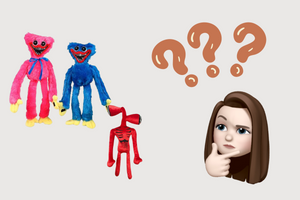
We have already touched upon the topic of horror toys—those video game and movie characters that adults view merely as irony or kitsch: Huggy Wuggy, Siren Head, Skibidi Toilet, Poppy Playtime… We discussed them here.
Just a year ago, they could be found in the hands of nearly every other preschooler, appearing as plush toys, backpacks, stationery, stickers, and even temporary tattoos.
Following a wave of outrage on social media, posts from psychologists, and reactions from educators, it seemed like we had finally outgrown this "monster craze"…
But just as we caught our breath—brace yourselves—a new trend arrived: Labubu.
What is Happening?
Labubu is not just a toy; it is an example of a global marketing phenomenon that:
-
relies on limited-edition collections;
-
is driven by TikTok culture, influencers, and fashion aesthetics;
-
transforms a toy into a status accessory;
-
is fueled by stock-market-style strategies (down to the launch of its own LABUBU token).
This is not a children's trend—it is an adult trend wrapped in a childhood form. And that is precisely where the risk lies.
How Do These Toys Affect Children?
The Image: A "Mashup" of Cute and Creepy
-
With its oversized head, sharp teeth, and bizarre eyes, Labubu’s design is intentionally unsettling, even though it is presented in a "bunny-like" or "childish" wrapper.
-
This cute + creepy aesthetic is visually captivating, but it blurs a child's fundamental understanding of safety, beauty, and goodness.
-
Children cannot always process the inner anxiety triggered by such an image, but their nervous system still reacts to it through restlessness, tension, sleep disturbances, or emotional dysregulation.
1. Inappropriate Imagery and Context
Preschoolers cannot fully separate fiction from reality. They perceive a "monster with sharp teeth" as something real. To them, it is not a joke; it triggers anxiety or internal tension. On the outside, a child might seem indifferent or even amused, but their body and psyche react differently—manifesting as sleep disruptions, aggression, or deep-seated fears.
2. Adaptive Behavior
Children frequently copy what their peers have. Often, they want a "scary" toy not out of genuine interest, but simply to "fit in" with their social circle. While this is a coping mechanism to adapt, it is not always a healthy one.
3. Distorting the Concepts of Beauty, Good, and Evil
When a child grows up in an environment where a monster is a "fashionable toy," it can warp basic ethical landmarks. Instead of warm, gentle images that foster empathy and security, the focus shifts toward the aggressive, distorted, and toxic.
4. Overstimulating the Nervous System
Even if a child claims they aren't afraid, interacting with a hyperactive, loud, or deformed image creates emotional strain. This is not a healthy play experience; it is an adrenaline spike—the psychological equivalent of drinking an energy drink instead of eating a nutritious meal. Prolonged exposure to these types of toys erodes a child's capacity for deep play, concentration, and self-regulation.
The Verdict: Labubu was not created for children. Labubu teaches a problematic lesson: "What is valuable is what is rare, viral, expensive, and desired by celebrities." This is commercial aesthetics, not natural play. It feeds consumerism and FOMO (fear of missing out) rather than creativity.
What Can We Do About It?
1. Explain
Avoid aggressive bans. Instead, explain the situation in a language they can understand: "This character looks scary because it was designed for adult movies. Its appearance can affect your dreams or mood, even if you don't feel scared right now. Your imagination is still growing, and it’s better for you to play with kind characters—this will help you grow up feeling safe and confident."
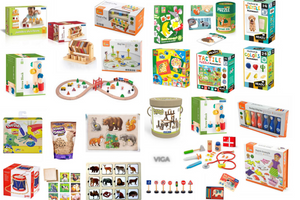
2. Offer Alternatives
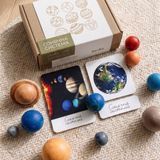
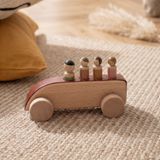
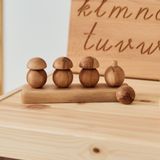
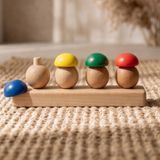
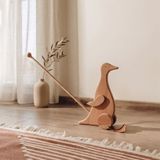
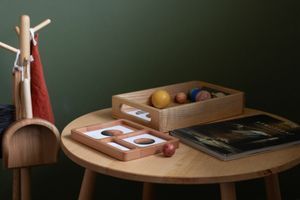
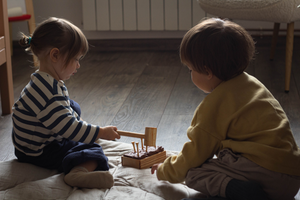
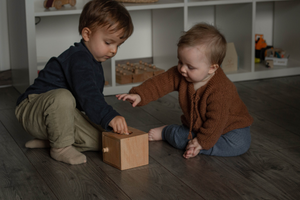
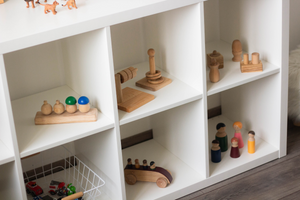
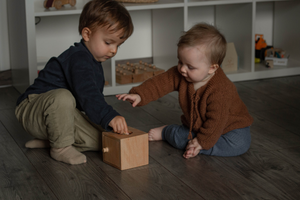
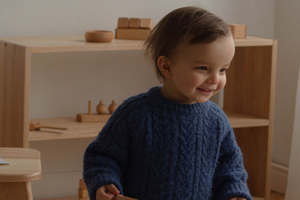
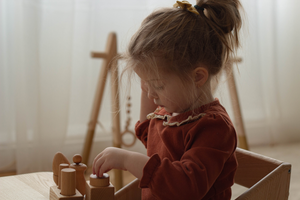
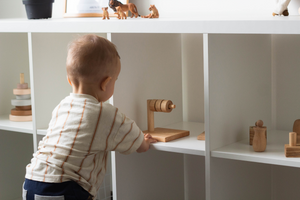
Do not just "take away" the toy; introduce other engaging options that offer meaning, narrative, and warmth. Examples include emotionally expressive dolls, natural materials, and role-play figurines that support a positive worldview.
3. Debunk the Illusion of Fashion
Labubu is not a phenomenon of childhood; it is a financial success story by Pop Mart. Its presence in the world of children is merely a side effect of aggressive marketing.
Such toys are neither natural nor adapted to a child's developmental age. They harm the emotional well-being of children, especially sensitive ones. While the damage might not be obvious immediately, the consequences can surface later through shifts in behavior, sleep patterns, and play styles. The mass appeal of these trends is the result of aggressive corporate marketing rather than a child's genuine need.
What are your thoughts on this new, "not-so-childish" trend?