Author: Alina Khoma
CEO of bavka, Montessori educator
Montessori Method at Home: Food Preparation as a Way to Build Independence
The Montessori method is a philosophy of education that can easily become part of your daily life. One of the most effective ways to apply this method at home is to involve children in food preparation. Don’t worry — we’re not talking about complex recipes, but rather simple, safe actions that develop children’s independence, motor skills, and a healthy relationship with food.
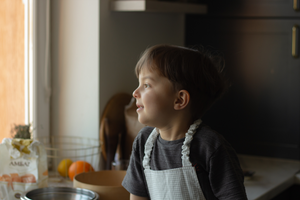
Food preparation isn’t just a daily routine — it’s a deep part of learning. When a child learns to spread butter on bread or slice a banana, they are gaining skills that will grow into real independence. Preparing food makes them more open to trying new tastes and helps them understand what goes into their meals.
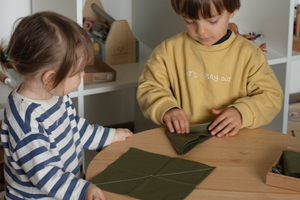
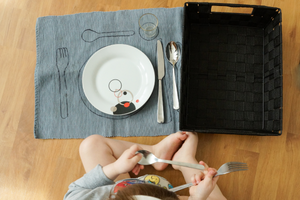
In the Montessori system, there’s a concept called “practical life exercises” — real-world tasks like self-care, home care, caring for nature, cooking, setting the table, washing dishes, etc. Through these actions, the child develops focus, coordination, independence, and respect for others’ work.
Food preparation is one of the most loved activities in the Montessori environment. It combines sensory, social, intellectual, and emotional learning: the child sees, touches, smells, tastes, and feels food textures, communicates with adults, learns cooperation and self-regulation.

Cooking is always step by step: weigh, cut, mix, serve. These actions teach planning, structure, and attention to detail.
How to set up a Montessori food prep corner at home?
1. A safe and accessible space
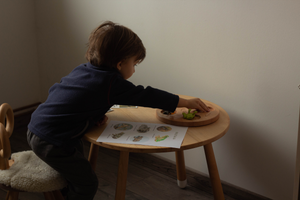
Choose a low surface — a small table, a low kitchen cabinet, or a kitchen helper tower. Provide a stable area for cutting, washing, mixing, and serving. Use real tools, but safe ones: child-sized knives, mini graters, small bowls, wooden spoons.
2. Ingredient organization
Store food in clear jars or containers with labels and images. This helps children make choices and supports visual memory. Each activity (e.g., “fruit salad”) can be set up on a tray with all the tools and ingredients ready.

3. Build a routine
Make food prep part of your daily rituals — breakfast, snacks, or Sunday family lunch. Children can help plan menus, create grocery lists (even with pictures), unpack and store groceries after shopping.
Examples of Montessori food prep activities
For 2–3 year olds:
-
washing fruits and vegetables
-
peeling a banana, egg, or mandarin
-
spreading butter on bread
-
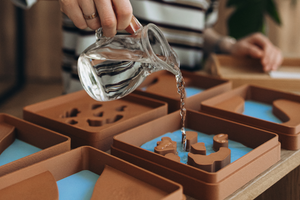
pouring grains, sugar, or water
-
juicing half an orange
For 3–6 year olds:
-
slicing soft fruits or cheese with a child-safe knife
-
grating vegetables or cheese
-
separating egg yolk from white
-
kneading dough
-
preparing simple salads, sandwiches, fruit skewers
For 6+ years:
-
following simple recipes (pancakes, casseroles, pasta)
-
using the stove with supervision
-
plating and garnishing meals
-
experimenting with new tastes and textures
Cultural diversity and family traditions
Food is culture. Cooking at home is a great way to connect your child to family recipes, stories, and the dishes their grandparents love. This builds a sense of belonging and intergenerational connection.
You can also host themed cooking days — “Italian dinner,” “Ukrainian varenyky,” or “Japanese cucumber rolls.” It’s a fun way to expand your child’s worldview and celebrate diversity.
Cleaning up is part of the process
Children should learn that every action ends with tidying up. Prepare:
-
a child-size dustpan and brush
-
a cloth or small towel
-
a place for dishwashing
Give them time. Don’t rush to do it for them. Responsibility is born in the cleanup process.
Common challenges
Safety: teach tool handling, always supervise.
Mess & cleanup: show them how, use child-friendly cleaning tools.
Time: break recipes into steps, pre-prepare ingredients.
Share your space, time, and attention with your child — and you’ll be amazed by the results.
.jpg)