Let's bav-play as a family: what happens when play becomes shared creativity instead of a parenting chore
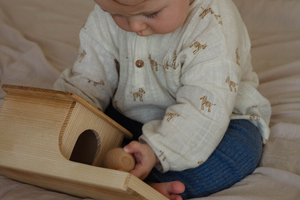
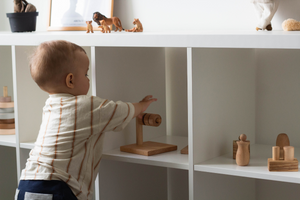
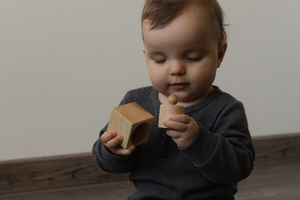
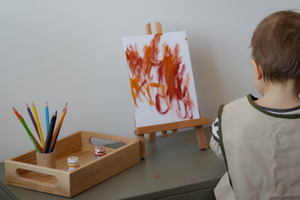
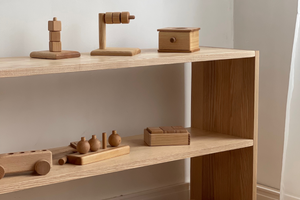
Parents often feel that a Montessori environment is something complex, expensive, and requires purchasing dozens of special wooden materials. But the essence of this philosophy is actually quite different: it lies in respecting the child's need to act independently, in ease, and in adapting the everyday home space.
When we create bavka materials, our main dream is for them to become something more to families than just toys. It is important to us to inspire parents toward ease, child independence, and a sense of coziness at home.
Today, with special excitement and pride, I am sharing an article by our reader and client, Hanna Kinda. It is an incredibly deep, sincere, and inspiring piece about how Montessori philosophy, self-care, and parents' own creativity intertwine in daily life. Over to you, Hanna!
A Mom's Experience: How We Create Educational Materials with Our Own Hands
.png)
The key to a real effect from play is that it brings joy to both the child and the parents. This idea brought a lot of peace and freedom into my journey as a mother, and I first heard it in the Telegram community of child psychologist and doula Tamara Zeinalla. Highlighting the possibilities of organizing sensory play at home, the author very accurately reminded us about the importance of ease and naturalness in this process:
“If today you don't have the energy to clean up grains from all over the room, choose something simpler. Your peace of mind and smile are far more beneficial to your child than any developmental activity!”
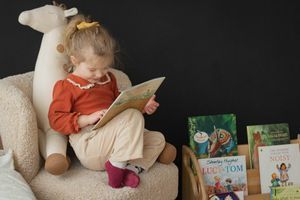
In our family, this principle proved relevant for reading with our little one as well. With a great book, even on the hundredth read in a row, no one gets bored: neither parents nor toddlers. A skillfully written story and well-aimed illustrations always conceal a special subtext that sometimes makes parents smile, and sometimes reflect.
A particularly relevant example of such a text is the trilogy Fairytale Forest: The Adventures of Mischievous Raccoons by Yulia Olefir. The author delicately encoded our collective trauma of war and forced displacement into the fairy tale. For a child, it is primarily a dynamic and funny adventure about little rascals just like themselves, while for parents, it offers a deep therapeutic space and a mirror of the experiences lived through in recent years.
View this post on Instagram
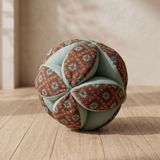
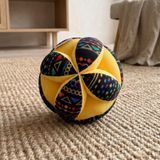
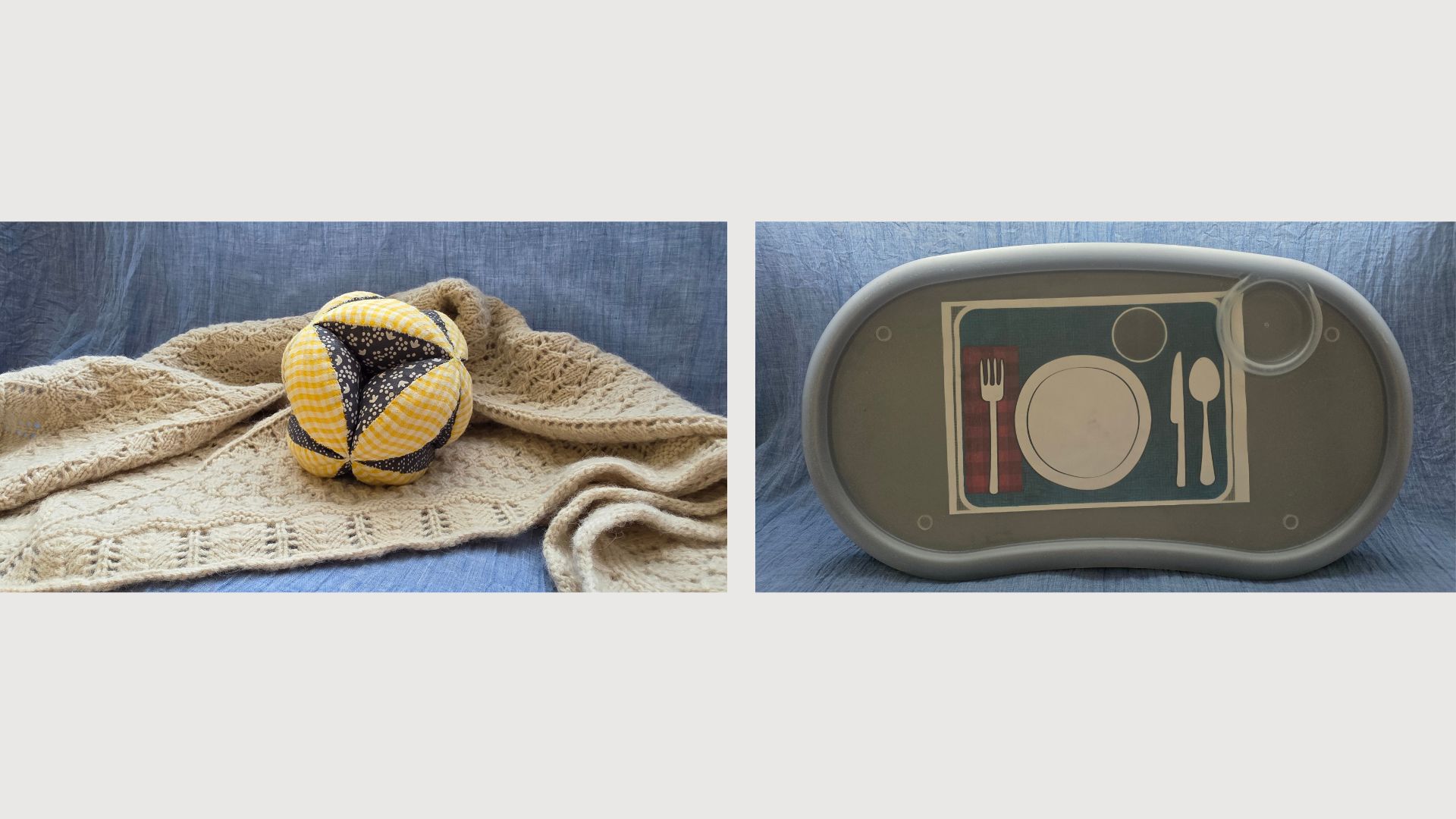
Unsurprisingly, our interaction with Montessori materials also follows that same principle of harmoniously combining the interests of adults and toddlers. My interest in this methodology began even before my child was born. Doing handicrafts and engaging with high-quality natural materials had always helped me unwind emotionally during stressful times. Back during my pregnancy, I stumbled upon a tutorial on sewing a Takane ball on the iconic French parenting TV show Les Maternelles. I sewed it while expecting my baby, and that very experience became the spark for my deeper dive into Maria Montessori's philosophy.
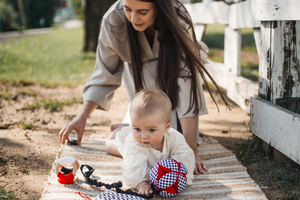
At first, my daughter wasn't very interested in the ball. To be honest, it even disappointed me a bit, so I put it away in a closet for a while. But the toy's real finest hour came this summer, closer to her third birthday! Thanks to its unique shape, it truly became the first ball my daughter was able to catch skillfully. So now we actively practice catching and throwing with this exact material.
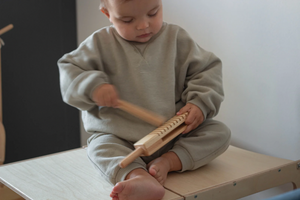
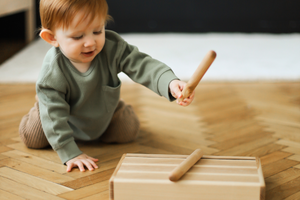
The first bavka materials to appear in our home were musical instruments inherited from older friends. And now rhythm sticks (claves) are simply an indispensable part of her daily play.
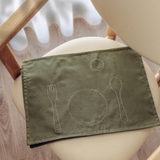
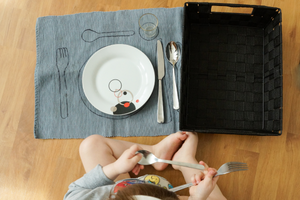
Later, I discovered the brand's blog and started actively implementing the ideas offered there. One of the first gems was a placemat with tableware outlines, which helps the child learn how to set the table. I made it literally in minutes: printed the template on a regular home printer, colored it with pencils together with my little one, and secured the paper under the clear plastic tray that came with our high chair.
Read blog post: [Download the Free Placemat Template ➔]
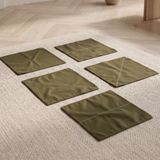
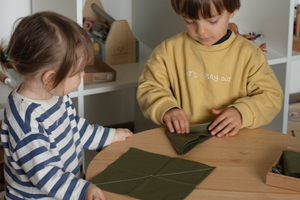
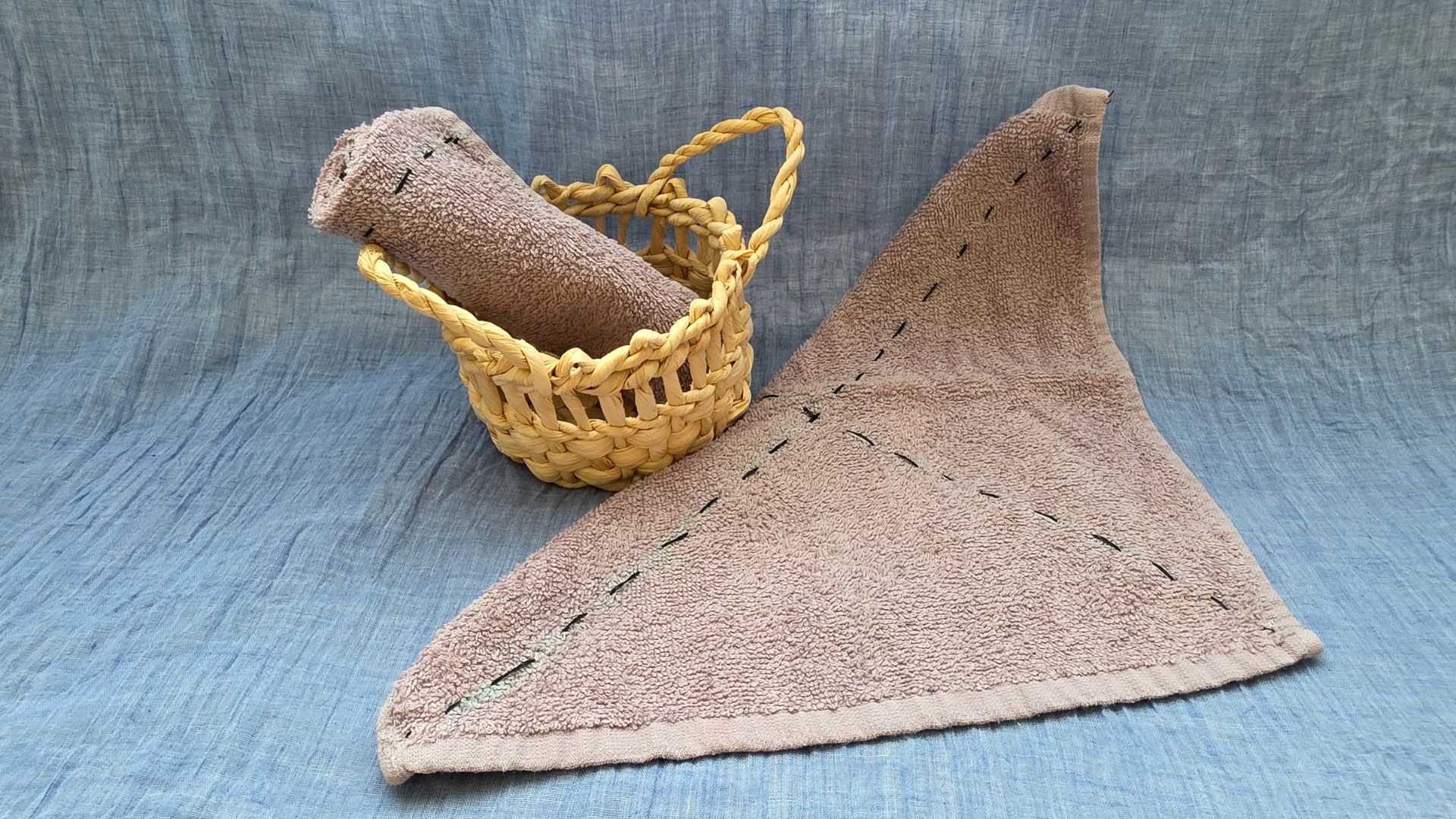
I also made folding practice napkins using items on hand. The idea turned out to be extremely simple to implement: I took plain solid kitchen towels and stitched dashed lines with black thread along the future fold lines. Such a simple visual cue turned a routine household process into an engaging game that wonderfully develops coordination and fine motor skills. As practice showed, these cloth napkins are much more effective for practicing folding than workbooks with similar single-use paper activities. Fabric is far more pliable and durable, and most importantly, it doesn't tear accidentally. This completely spares the child from frustration or disappointment if things don't go right on the first try. Moreover, these napkins are very compact, completely safe, and are now always freely accessible to my child.
Read blog post: [Folding Exercises in the Montessori Method ➔]
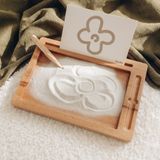
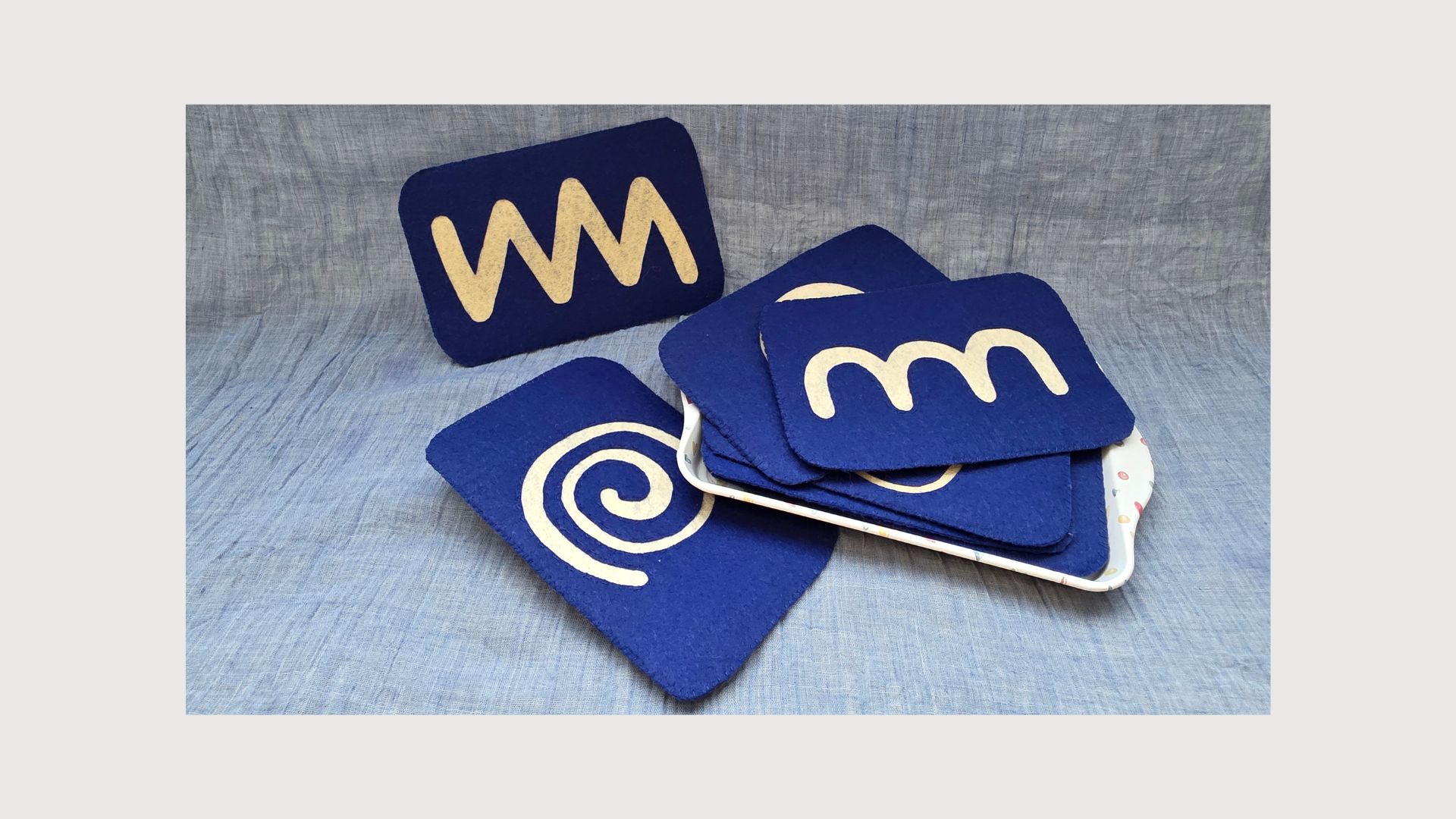
The next big discovery in my crafting for children was felt! It is an amazingly easy-to-work-with, tactile material with a rich color palette. Together with my daughter, we made a set of pre-writing tracing cards with various lines and basic geometric shapes, once again inspired by a bavka design.
Since I cut and sewed everything by hand, I managed to make no more than two or three cards per evening. It was true meditation — our special quality time together, an opportunity to examine each shape without rushing, trace a line with a small hand, and thoughtfully explore every symbol. When the finished set found its place in the play corner, my child already understood well how to use it and moved on to independent play.
[Sand Writing Practice Cards Template ➔]
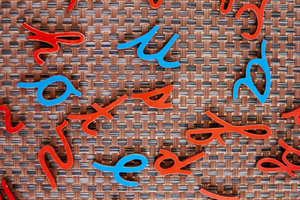
I also sewed a set of felt letters from which my daughter can spell her name. I intentionally kept the color palette limited, but picked a unique tactile decoration for each letter. I draw inspiration for felt crafts for children from Jen Brannen's page.
View this post on Instagram
I borrowed the principle of early exposure to the visual appearance of one's name from the French preschool education system, where it is part of a daily ritual: in the morning, upon entering the classroom, a child finds a felt card with their name and attaches it to a shared board. It's an amazingly simple and beautiful way to teach a child to recognize their name among other words.
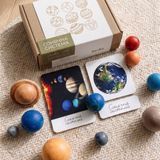
For my daughter's third birthday, we are preparing a special surprise — a set of Solar System planets from bavka. Though the celebration is still ahead, this material has already managed to spark incredible emotions and genuine interest in us, the adults. We really wanted to do more than just give the planets in a box; we wanted to create a visual model by arranging them on a proper base. This desire grew into a real family brainstorm where two different creative approaches met. I shared my idea with my husband to sew a soft round mat marked with orbit lines. He, on the other hand, proposed hand-carving a round wooden tray to serve as a sturdy and durable base for the model. It's amazing what creative passion children's games can ignite in parents!
This is how bavka Montessori materials transformed into something much greater for our family than just early development tools — into a true space for family bonding and an impetus for free creative self-expression for each of us. They helped us not only gently establish our daily routine and develop our daughter's practical and cognitive skills, but also gave us priceless moments of closeness. After all, the best way to explore the world is the one we joyfully experience together.
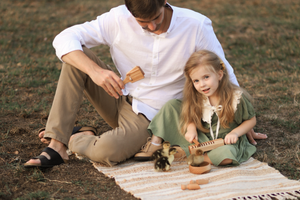
So let's create shared play out of love for our children and curiosity about the process, rather than out of a sense of duty or a pursuit of perfection!
Hanna's story is the best proof that the Montessori philosophy is about closeness, shared creativity, and enjoying the process. Even the simplest items made with love from everyday materials give a child a huge boost in developing motor skills, independence, and self-confidence.
More ideas: how to easily make DIY Montessori materials
Here is a selection of our most popular step-by-step instructions for creating materials with your own hands:
➔ Familiar Faces — A Useful DIY Children's Book
➔ Workshop: "Creating a Montessori Sound Chest"
➔ DIY Montessori Golden Bead Material
➔ Creating Land and Water Forms for Cosmic Education
➔ Infant Vision Development from Birth to 6 Months (Black and White Flashcard Templates)
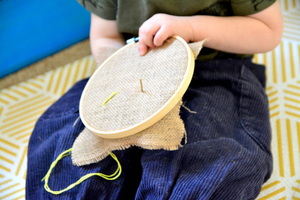
➔ How to Teach a Child to Sew the Montessori Way
➔ Montessori Trays: How to Create Educational Activities for Your Child at Home
➔ Flower Arranging in the Montessori Method
If you have also brought Montessori material ideas to life or have other experiences with Montessori parenting at home, we would love to read about it in the comments. After all, it is real stories like these that inspire the most and ignite the spark to create!